Powered By Blogger

Search This Blog

Sunday, October 21, 2012

Drinks from Plastic Bottle & Symbols


What does those symbols mean that are imprinted on each of the plastic bottle that you drink ?

Take Note !!!


Yes, these odd number 1, 3 & 6 have special notation .. the plastics likely to contain BPA (Bisphenol A), a carcinogenic substance.

Try not to use it for your baby, no doubt PC is a good durable plastics.

Wednesday, October 10, 2012

Why Women in China do not get breast cancer ?

This interesting article is extracted from 'Your Life in your Hands', written by Professor Jane Plan. It is indeed worth sharing with everyone, including men too. I am sure many will laugh at the findings by the said Professor, or totally disagree about the causes of such outcome. Nevertheless, it might be the actual cause, one never knows. Anyway, the decision is in your own hand. 

******************************
I had no alternative but to die, or to try to find a cure for myself. I am a scientist - surely there was a rational explanation for this cruel illness that affects one in 12 women in the UK ?

I had suffered the loss of one breast, and undergone
 radiotherapy. I was now receiving painful chemotherapy, and had been seen by some of the country's most eminent specialists. But, deep down, I felt certain I was facing death. I had a loving husband, a beautiful home and two young children to care for. I desperately wanted to live.

Fortunately, this desire drove me to 
unearth the facts, some of which were known only to a handful of scientists at the time.

Anyone who has come into contact with breast cancer will know that certain risk factors - such as increasing 
age, early onset of womanhood, late onset of menopause and a family history of breast cancer - are completely out of our control. But there are many risk factors, which we can control easily.

These "controllable" risk factors readily translate into 
simple changes that we can all make in our day-to-day lives to help prevent or treat breast cancer. My message is that even advanced breast cancer can be overcome because I have done it.

The first clue to understanding what was promoting my breast 
cancer came when my husband Peter, who was also a scientist, arrived back from working in China while I was being plugged in for a chemotherapy session.

He had brought with him cards and 
letters, as well as some amazing herbal suppositories, sent by my friends and science colleagues in China .

The suppositories 
were sent to me as a cure for breast cancer. Despite the awfulness of the situation, we both had a good belly laugh, and I remember saying that this was the treatment for breast cancer in China , then it was little wonder that Chinese women avoided getting the disease.

Those words echoed in my mind.

Why didn't Chinese women in China get breast cancer ?
 

I had collaborated once with Chinese colleagues on a study of links between soil chemistry and disease, and I remembered some of the statistics.

The disease was virtually non-existent throughout the whole country. Only one in 10,000 women in China will die from it, compared to that terrible figure of one in 12 in Britain and the even grimmer average of one in 10 across most Western countries.
 

It is not just a matter of China being a more rural country, with less urban pollution. In highly urbanized HongKong , the rate rises to 34 women in every 10,000 but still puts the West to shame.

The Japanese cities of Hiroshima and Nagasaki
 have similar rates. And remember, both cities were attacked with,nuclear weapons, so in addition to the usual pollution-related cancers, one would also expect to find some radiation-related cases, too.

The conclusion we can draw from these statistics strikes you with some force. If a Western woman were to move to industrialized, irradiated Hiroshima , she would slash her risk of contracting breast cancer by half. Obviously this is absurd. 


It seemed obvious to me that some lifestyle factor not related to pollution, urbanization or the environment is seriously increasing the Western woman's chance of contracting breast cancer
.

I then, discovered that whatever causes the huge differences in
 breast cancer rates between oriental and Western countries, it isn't genetic.

Scientific research showed that when Chinese, or Japanese people move to the West, within one or two generations their rates of breast cancer approach those of their host community.

The same thing happens when oriental people adopt a completely Western lifestyle in HongKong . In fact, the slang name for breast cancer in China translates as 'Rich Woman's Disease'. This is because, in China, only the better off can afford to eat what is termed ' HongKong food'.


The Chinese describe all Western food, including everything from ice cream and chocolate bars to spaghetti  and feta cheese, as "HongKong food", because of its availability in the former British colony and its scarcity, in the past, in mainland China .

So it made perfect sense to me that whatever  was causing my breast cancer
 and the shockingly high incidence in this country generally, it was almost certainly something to do with our better-off, middle-class, Western lifestyle.

There is an important point for men here, too. I have observed in my
research that much of the data about prostate cancer leads to similar conclusions.

According to figures from the World Health Organization, the number of men
 contracting prostate cancer in rural China is negligible, only 0.5 men in every 100,000. In England, Scotland and Wales , however, this figure is 70 times higher. Like breast cancer, it is a middle-class disease that primarily attacks the wealthier and higher socio-economic groups, those that can afford to eat rich foods.

I remember saying to my husband, 'Come on Peter, you have just come back
 from China. What is it about the Chinese way of life that is so different ?'

Why don't they get breast cancer ?'

We decided to utilize our joint scientific backgrounds and approach it
logically. We examined scientific data that pointed us in the general direction of fats in diets.

Researchers had discovered in the 1980s that only l4% of calories in the average Chinese diet were from fat, compared to almost 36% in the West.
But the diet I had been living on for years before I contracted breast cancer was very low in fat and high in fibre.

Besides, I knew as a scientist that fat intake in adults has not been shown to increase risk for breast cancer in most investigations that have followed large groups of women for up to a dozen years.

Then one day something rather special happened. Peter and I have worked
together so closely over the years that I am not sure which one of us first said : 

"The Chinese don't eat dairy produce !"


It is hard to explain to a non-scientist the sudden mental and emotional
'buzz' you get when you know you have had an important insight. It's as if you have had a lot of pieces of a jigsaw in your mind, and suddenly, in a few seconds, they all fall into place and the whole picture is clear.

Suddenly, I recalled how many Chinese people were physically unable to
tolerate milk, how the Chinese people I had worked with had always said that milk was only for babies, and how one of my close friends, who is of Chinese origin, always politely turned down the cheese course at dinner parties.

I knew of no Chinese people who lived a traditional Chinese life who ever
used cow, or other dairy food to feed their babies. The tradition was to use a wet nurse but never, ever, dairy products.

Culturally, the Chinese find our Western preoccupation with milk and milk
products very strange. I remember entertaining a large delegation of Chinese scientists shortly after the ending of the Cultural Revolution in the 1980s.

On advice from the Foreign Office, we had asked the caterer to provide a pudding that contained a lot of ice cream. After inquiring what the pudding consisted of, all of the Chinese, including their interpreter, politely but firmly refused to eat it, and they could not be persuaded to change their minds.

At the time we were all delighted and ate extra portions !

Milk, I discovered, is one of the most common causes of food allergies . 


Over 70% of the world's population are unable to digest the milk sugar, lactose, which has led nutritionists to believe that this is the normal condition for adults, not some sort of deficiency. Perhaps nature is trying to tell us that we are eating the wrong food.


Before I had breast cancer for the first time, I had eaten a lot of dairy
produce, such as skimmed milk, low-fat cheese and yogurt. I had used it as my main source of protein. I also ate cheap but lean minced beef, which I now realized was probably often ground-up dairy cow.

In order to cope with the chemotherapy I received for my fifth case of
cancer, I had been eating organic yogurts as a way of helping my digestive tract to recover and repopulate my gut with 'good' bacteria.

Recently, I discovered that way back in 1989 yogurt had been implicated in ovarian cancer. Dr Daniel Cramer of Harvard University studied hundreds of women with ovarian cancer, and had them record in detail what they normally ate. Wish I'd been made aware of his findings when he had first discovered them.


Following Peter's and my insight into the Chinese diet, I decided to give up not just yogurt but all dairy produce immediately. Cheese, butter, milk and yogurt and anything else that contained dairy produce - it went down the sink, or in the rubbish.


It is surprising how many products, including commercial soups, biscuits and cakes, contain some form of dairy produce. Even many proprietary brands of margarine marketed as soya, sunflower or olive oil spreads can contain dairy produce

I therefore became an avid reader of the small print on food labels.

Up to this point, I had been steadfastly measuring the progress of my fifth cancerous lump with callipers and plotting the results. Despite all the encouraging comments and positive feedback from my doctors and nurses, my own precise observations told me the bitter truth.

My first chemotherapy sessions had produced no effect - the lump was still the same size.

Then I eliminated dairy products Within days, the lump started to shrink

About two weeks after my second chemotherapy session and one week after giving up dairy produce, the lump in my neck started to itch. Then it began to soften and to reduce  in size. The line on the graph, which had shown no change, was now pointing downwards as the tumour got smaller and smaller.

And, very significantly, I noted that instead of declining exponentially (a graceful curve) as cancer is meant to do, the tumour's decrease in size was plotted on a straight line heading off the bottom of the graph, indicating a cure, not suppression (or remission) of the tumour.

One Saturday afternoon after about six weeks of excluding all dairy produce from my diet, I practised an hour of meditation then felt for what was left of the lump. I couldn't find it. Yet I was very experienced at detecting cancerous lumps - I had discovered all five cancers on my own. I went downstairs and asked my husband to feel my neck. He could not find any trace of the lump either.

On the following Thursday I was due to be seen by my cancer specialist at
Charing Cross Hospital in London . He examined me thoroughly, especially my neck where the tumour had been. He was initially bemused and then delighted as he said, "I cannot find it." None of my doctors, it appeared, had expected someone with my type and stage of cancer (which had clearly spread to the lymph system) to survive, let alone be so hale and hearty.

My specialist was as overjoyed as I was. When I first discussed my ideas with him he was understandably sceptical. But I understand that he now uses maps showing cancer mortality in China in his lectures, and recommends a non-dairy diet to his cancer patients.

I now believe that the link between dairy produce and breast cancer is similar to the link between smoking and lung cancer. 


I believe that identifying the link between breast cancer and dairy produce, and then developing a diet specifically targeted at maintaining the health of my breast and hormone system, cured me.


It was difficult for me, as it may be for you, to accept that a substance as 'natural' as milk might have such ominous health implications. But I am a living proof that it works and, starting from tomorrow, I shall reveal the secrets of my revolutionary action plan.

Saturday, September 29, 2012

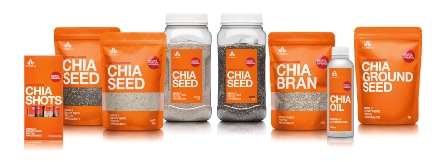
什么是奇亚籽? [Chia Seeds]


For the benefit of Chinese readers, this is
an extract from the website of The Chia Co.


Anyone from Malaysia, who wishes to purchase
and try this super rich food supplement,
you can reach me through my email.

The said item costs RM 150 per bottle (01 Kg),
excluding cost of delivery.


奇亚籽提供了现代饮食中所缺乏的纯天然食品的营养。奇亚籽含有最丰富的植

物性营养 :
  • Omega-3 和 Omega-6 脂肪酸
  • 膳食纤维
  • 蛋白质
  • 抗氧化物
  • 必需的维他命和矿物质
鼠尾草屬一年生草本植物,屬於薄荷家族,高度約1-1.2米。
*
從播種到生長成為鬱鬱蔥蔥的綠色植物,開出像薰衣草一樣的長形花朵。 奇亞籽花也是紫色的間或有少量白色的花。這些花朵發育成種子莢,結出奇亞籽。

奇亞籽(chia seed)起源於墨西哥南部和瓜地馬拉,用於人類飲食的歷史可以追溯到西元前3500年,它曾是阿茲特克人和瑪雅人的主食之一,並廣泛用於他們的醫藥、美容、藝術等其他方面。

得益於現代農業與醫學技術的發展,這種幾乎遺失的作物重新走入了人們的視線。目前在世界主流的綠色天然營養食品市場上常常可以找到奇亞籽。歐美國家稱讚奇亞籽為“神奇籽”、“超級籽”。


奇亚籽的益处

能量和营养
奇亚籽可以持续地向身体释放能量。运动员食用奇亚籽来提高耐力和帮助关节灵活性和肌 肉恢复。由于含有丰富的维生素B,可以帮助学生提高学习和记忆能力。奇亚籽含有的植 物性Omega- 3和 Omega-6成分是最佳比例,有助胎儿脑部和眼部的发育健康,DHA 和Omega- 3是世界卫生组织规定的胎儿必须的营养。

膳食纤维
奇亚含有 37% 的天然纤维,80% 是不溶性的,20% 是可溶的。奇亚籽是人类Omega-3 脂肪酸,抗氧化剂,和膳食纤维的自然植物来源,是所有植物中Omega-3 含量最高的; 蛋白质,脂质,膳食纤维和能量明显高于其他植物,可以起到预防肠癌、乳腺癌,肺癌等疾病,改善消化系统、保护您的健康。

维持体重
都市生活的人们对自身体重越来越重视,很多肥胖患者为此头疼不已。奇亚籽作为一种天然无污染的超级有机食物,含有丰富的现代营养学中人体必需的维生素,矿物质,钙;它适用于各年龄段的人群,当食物加入奇亚籽后,会变成糊状或膨胀而引起饱足感,这能使你每天摄取更少的卡路里,控制体重,但仍能保持能量和耐久力。

心脏健康
奇亚籽含有多达20%的植物性Omega-3 ALA,这是一种健康身体不可或缺,人体自身无法制造,需要通过饮食进行补充的脂肪酸。奇亚籽中所含的Omega-3ALA对心脏健康尤其重要,所以我们 要将它加入日常饮食中。研究显示 Omega-3 ALA 可以帮助降低胆固醇,维护血管功能和减少心血管疾病的风险,保护心脏,防止血栓和动脉硬化。

食用方法 :
奇亞籽有美味的淡果仁味道,可以很容易地直接食用,或添加到日常飲食中來改善健康。可以加入到穀類, 餅乾, 飲料和優酪乳這些人們( 兒童, 成人和年長者日常食用的食品中),也可以把奇亞籽撒在沙拉上;添加到湯裡;攪拌進各種飲料裡;烤進麵包、蛋糕或曲奇裡;或加入麥片中食用。

奇亞籽現在已經是美國,澳大利亞和新西蘭的主流食品。在北美, 澳大利亞 南美,和亞洲, 在過去12個月內新開發了將近 652種新的使用奇亞籽的產品。

可直接食用(食用后多喝水)或加入食品饮料中一起食用。

也可在晚上以1:10的比例将奇亚籽加入水中,快速搅拌,浸泡至第二天早上直接食用或混入粥、牛奶、麦片、面包和饮料等一起食用。
*
建议每天最少摄入15g奇亚籽,最好在早餐时和食物一起食用(15g量大约为小咖啡勺两勺,大咖啡勺一勺),15克中含有了澳大利亚和美国心脏协会建议的每天2克的Omega-3的摄入量。

儲存方法 :
奇亞籽可以在室溫下存儲數年不變質. 奇亞籽的天然抗氧化劑可以保證它自身的穩定性。


特殊族群食用方法

糖尿病患者
每天早中晚各一次,每次5克,可直接食用或加入食物中一起食用,食用后多喝水。奇亚籽遇水会膨胀,形成的粘膜可以包裹食物,缓慢转化碳水化合物为糖 分,再缓慢将糖分转化成能量,从而可以控制血糖高低,恢复胰岛功能,是糖尿病人的最有效天然食物解决方案。或遵医嘱,增加用量。

肥胖症患者
每天早中晚各一次,每次5克到10克,可直接食用或加入食物中一起食用,奇亚籽遇水膨胀而有饱腹感,从而控制每天摄入的热量,食用后多喝水。也可早上直接食用15克。

不良饮食习惯造成的慢性心脏病患者和高血脂、高胆固醇患者
每天早中晚各一次,每次5克到10克,可直接食用或加入食物中一起食用,奇亚籽含有的植物性 Omega-3 可以保护心脏。

肠胃消化不良、便秘、痔疮患者
每天早中晚各一次,每次5克到10克,可直接食用或加入食物中一起食用。奇亚籽中含有的丰富膳食纤维可以帮助改善消化系统。

孕妇
每天早中晚各一次,每次5克到10克,可直接食用或加入食物中一起食用。奇亚籽能提供足够的能量帮助孕妇顺产,奇亚籽中所含的Omega-3ALA 对心脏健康尤其重要.  Omega 3 ALA在体内转化成Omega 3 EPA DHA。Omega 3 EPA DHA已被证明为健康大脑功能的好处。

奇亞籽的檢測
奇亞公司對每一批產品的樣品所做的檢測,以保證 :

1)沒有化學污染物,
2)沒有微生物污染物。
3)沒有物理污染物。
4)奇亞公司對消費者所承諾的奇亞籽的高品質的營養

Thursday, September 13, 2012

Cancer Symptoms which most people ignored

It is just human nature why most people simply ignores the importance in going for regular check-ups to ensure that their health conditions are in the right order. What do they fear ......... don't they ever give a thought how their lives could be saved if their problem(s) is/are detected earlier.

I need not have to elaborate on such reminders anymore, due I will be too willing to tell any of them, that it was due to their own negligience and faults, should they tell me that they are facing a late stage cancer striken sickness.


Sometimes, it is not a good idea to just rely on tests alone to protect us from cancer, or related problems, although annual check-ups and tests such as colonoscopies and PSA readings (one type of cancer-marker) are important.
Often, it is also important to listen to your own body and notice anything that’s different, odd, or unexplainable. Don't wait. Go and find it out. But, then again, how often we hear friends commenting that they will go when they find 'time' to examine it out. Is this an excuse ? Maybe, its due to fear. 


(Have you ever listen to those close to you, such as a wife or partner, because others sometimes notice things we’re unaware of, or don’t want to admit.) Why ?
Is it because you don’t want to join the ranks of being a cancer patient ? Or rather, you prefer to realize too late that symptoms they’d noticed for a long time (or you have noticed it for a long time ago) could have sounded the alarm earlier, when cancer was easier to cure.

Anyway, to cut matter short, I have listed a few symptoms (see below) which I have came across and everyone should be aware and be attentive about them :
*
 
1. Upset stomach, or stomachache
-
This is a common first-time sign which most colon cancer patients remember
experiencing when they looked back is their unexplained stomach aches.

Those with pancreatic cancer will describe a dull ache that feels like it’s pressing inward. Many liver cancer patients too, say they went in complaining of stomach
cramps and upset stomachs so frequently that their doctors often thought they had ulcers. Liver cancer patients and those with leukemia will experience abdominal pain resulting from an enlarged spleen, which may feel like an ache on the lower left side.

If you have a stomachache that you can’t attribute to a digestive problem, or that doesn’t go away, ask your doctor to carry out an ultrasound. Finding a liver or pancreatic tumor early can make all the difference in treatment.
*
 
2. Chronic “acid stomach”, or feeling full after a small meal
-
The most common early sign of stomach cancer, is pain in the upper, or middle abdomen that feels like gas, or heartburn. It may be aggravated by eating, so that you feel full when you haven’t actually eaten much. What’s particularly confusing is that the pain can be relieved by antacids, confirming your conclusion that it was caused by acid in the  stomach, when it’s more than that.

An unexplained pain, or ache in lower right side can be the first sign of liver cancer, known as one of the 'silent killers'. Feeling full after a small meal is a common sign of liver cancer as well. If you have frequent bouts of acid stomach, an unexplained abdominal ache, or a full feeling after meals even when you’re eating less than normal, call your doctor.
*
 
3. Unexplained weight loss
 
If you notice the pounds coming off and you haven’t made changes to your diet, or exercise regime, it’s important to find out why. Unexplained weight loss can be an early sign of colon and other digestive cancers. It can also be a sign of cancer that’s spread to the liver, affecting your appetite and the ability of your body to rid
itself of waste.
*
 
4. Jaundice
-

Pancreatic cancer, another one of the 'silent killers', is often discovered when someone notices jaundice and asks the doctor to do a battery of tests. Jaundice is most commonly thought of as a yellowing of the skin, or whites of the eyes, but darker-than- normal urine that’s not the result of dehydration is also a sign. Clay-colored stools are another little-known sign of jaundice. Oddly, jaundice can
also cause itching, because the bile salts in the bloodstream cause the skin to itch.

Some people with pancreatic cancer say they noticed the itching before they noticed the jaundice itself.
*
 
5. Wheezing, or shortness of breath
-
One of the first signs lung cancer patients remember noticing when they look back is the inability to catch their breath. I couldn’t even walk to my car without wheezing. I thought I had asthma, but how come I didn’t have it before ?  These was how one man described it. Shortness of breath, chest pain, or spitting blood are also signs of testicular cancer that’s spread to the lungs.
*
 
6. Chronic cough, or chest pain
-

Several types of cancer, including leukemia and lung tumors, can  cause symptoms that mimic a bad cough, or bronchitis. One way to tell the difference :

The problems persist, or go away and come back again in a repeating cycle. Some lung cancer patients report chest pain that extends up into the shoulder or down the arm.
*
 
7. Frequent fevers, or infections

These can be signs of leukemia, a cancer of the blood cells that starts in the bone marrow. Leukemia causes the marrow to produce abnormal white blood cells, which crowd out healthy white cells, sapping the body’s infection-fighting capabilities. Doctors sometimes catch leukemia in older adults only after the patient has been in a number of times complaining of fever, aches, and flu-like symptoms over an extended period of time.
*
 
8. Difficulty swallowing
-

Most commonly associated with esophageal or throat cancer, having trouble swallowing is sometimes one of the first signs of lung cancer too. Men diagnosed with esophageal cancer look back and remember a feeling of pressure and soreness when swallowing that didn’t go away the way a cold, or flu would have. Consult your doctor also if you have a frequent feeling of needing to clear your throat, or that food is stuck in your chest. Either of these, can signal a narrowing of the esophagus that could mean the presence of a tumor.
*
 
9. Chronic heartburn

If you just ate half a pizza, heartburn is expected. But if you have frequent episodes of heartburn, or a constant low-level feeling of pain in the chest after eating, call your doctor and ask to be screened for esophageal cancer.

Gastro esophageal reflux disease (GERD) — a condition in which stomach acid rises into the esophagus, causing heartburn and an acidic taste in the throat can trigger a condition called Barrett’s esophagus, which can be a precursor of esophageal cancer.
*
 
10. Swelling of facial features
-

Some patients with lung cancer report that they noticed puffiness, swelling, or redness in the face. The explanation for this is that small cell lung tumors commonly block blood vessels in the chest, preventing blood from flowing freely from the head and face.
*
 
11. Swollen lymph nodes, or lumps on the neck, underarm, or groin
-

Enlarged lymph nodes indicate changes in the lymphatic system, which can be a sign of cancer. For example, a lump, or an enlarged lymph in the neck, or underarm is sometimes a sign of thyroid, head, or throat cancer.  A painless lump on the neck, underarm, or groin can be an early sign of leukemia.
*
 
12. Excessive bruising, or bleeding that doesn’t stop
-

This symptom usually suggests something abnormal happening with the platelets and red blood cells, which can be a sign of leukemia. One man with leukemia noticed that his gums bled when he brushed his teeth; another described bruising in strange places, such as on his fingers and hands.

 The explanation :

Over time, leukemia cells crowd out red blood cells and platelets, impairing the blood’s ability to carry oxygen and clot.
*
 
13. Weakness and fatigue

I had to stop halfway across the yard and sit down when I was mowing the lawn, said one man when describing the fatigue that led to his discovery of pancreatic cancer. Generalized fatigue and weakness is a symptom of so many different kinds of cancer (and other ills) that you’ll need to look at it in combination with other symptoms.

But any time, you feel exhausted without explanation and it doesn’t  respond to getting more sleep, talk to your doctor.
*
 
14. Rectal bleeding, or blood in stool
-

I thought it was hemorrhoids is one of the most common statements doctors hear when diagnosing colorectal cancer. Blood in the toilet alone is reason to call your doctor and schedule a colonoscopy.

Another sign of blood in the stool many people miss is stools that are darker in color.
*
 
15. Bowel problems
-

Constipation, diarrhea, and changes in stools can all be signs of cancer.

As with many other cancer symptoms, the way to tell if this is cause for concern is if it goes on for more than a few days without a clear cause, such as flu, or food poisoning.

People diagnosed with colon cancer say they noticed more frequent stools, as well as a feeling that their bowels were not emptied completely.
  

One of the early signs of pancreatic cancer is fatty stools, which can be recognized as frequent, large stools that are paler than normal and smelly. This is a sign that your body’s not absorbing your food normally, and it should be brought to your doctor’s attention.

16. Difficulty urinating, or changes in flow
-

Hands-down, the most common early sign of prostate cancer is a feeling of not being able to start peeing once you’re set to go. Many men also report having a hard time stopping the flow of urine, a flow that starts and stops, or a stream that’s weaker than normal. Any of these symptoms is reason to call your doctor for an exam and a screening test for prostate-specific antigen.
*
 
17. Pain, or burning during urination
-

This symptom can also indicate a urinary tract infection or sexually transmitted disease, of course, but in any case it warrants an immediate trip to the doctor. This symptom is often combined with the feeling that you need to go more often, particularly at night. These same symptoms can also indicate inflammation, or infection in the prostate, or benign prostatic hyperplasia, the name for what happens when the prostate grows bigger and blocks the flow of urine. However,
you need to get checked out to tell the difference.
*
 
18. Blood in urine, or semen

Men are often warned about blood in the urine, but they may not realize that blood in semen is also a danger sign for prostate cancer. Blood in the urine or semen isn’t always visible as blood; urine may just be a pink, dark red, or smoky brown color, while blood in the semen may just look like a pinkish streak.
*
 
19. Erection problems
-

As prostate cancer progresses, another very common sign is difficulty getting, or sustaining an erection. This can be a difficult subject to talk about, but it’s important to bring it to your doctor’s attention. It could be a sign of sexual dysfunction with another cause, of course, but it’s a reason to have an exam and a prostate-specific antigen (PSA) test.

20
. Pain, aching, or heaviness in the groin, hips, thighs, or abdomen

One sign of prostate cancer is frequent pain in the hips, upper thighs, or the lowest part of the back. Men with testicular cancer report noticing a heavy, aching feeling low in the belly or abdomen, or in the scrotum or testicles themselves. They sometimes describe it as a feeling of downward pulling, or as a generalized ache throughout the groin area.

Prostate cancer that has spread to the lymph nodes often makes itself known as discomfort in the pelvis or swelling in the legs.
*
 
21. Testicular swelling, or lump

The lumps that indicate testicular cancer are nearly always painless. It’s also common for a testicle to be enlarged, or swollen, but lacking any specific lump that you can see, or feel.

Some men report feeling discomfort from the enlargement, but not an outright pain.
*
 
22. Unexplained back pain
-

Back pain can mean all sorts of things, of course most often pulled muscles, or disc problems. But unexplained, persistent back pain can be an early sign of cancer as well, so get it checked out.

Pain in the lower back and hips can be a sign of prostate cancer, while pain in the upper back can signal lung cancer.  A pain in the upper abdomen and back is one of the few early signs of pancreatic cancer.
*
 
23. Scaly, or painful nipple, or chest, nipple discharge

Men do get breast cancer; they also get a condition called gynecomastia, which is a benign lump in the breast area. Breast cancer is usually detected as a lump, but if it’s spreading inward it can also cause chest pain.

Other signs of breast cancer include patches of red, scaly, or dimpled skin, or changes to the nipple such as turning inward, or leaking fluid.

Bring any lump, swelling, or skin, or nipple problem, or any chest pain, to your doctor's attention.
*
 
24. A sore, or skin lump that doesn’t heal, becomes crusty, or bleeds easily
-
Most of us know how to watch moles for changes that might indicate skin cancer.  But other signs, such as small waxy lumps or dry scaly patches, are easier to miss.

Familiarize yourself with the different types of skin cancer —melanoma, basal cell carcinoma, and squamous cell carcinoma — and be vigilant about checking skin all over the body for odd-looking growths or spots.
*
 
25. Changes in nails
-

Unexplained changes to the fingernails can be a sign of several types of cancer. A brown, or black streak, or dot under the nail can indicate skin cancer.

A newly discovered “clubbing,” which means enlargement of the ends of the fingers, with nails that curve down over the tips, can be a sign of lung cancer.

Pale, or white nails can be an indication that your liver is not functioning properly, sometimes a sign of liver cancer.

***************************************


The above symptoms and signs are the commonly ignored. If anyone have something new to share with all readers, please do not hesitate to write to me, so that I could update more, for the benefit of saving more of our stubborn-headed friends, or even readers too.

Prevention is Better than Cure !!!!

Thursday, September 6, 2012

The Wooden Fish in The Temple


This is an important set of so-called praying instrument, used by the monks when chanting their Sutras. It is found in all temples and through times, many do not know what this item is called, neither many do really knew the purpose it serves.................

A wooden fish (木鱼) sometimes known as a Chinese block, is a wooden percussion instrument. The wooden fish is used by monks and laity in the Mahayana Buddhist tradition. It is often used during rituals usually involving the recitation of sutras, mantras, or other Buddhist texts. The wooden fish is mainly used by Buddhist disciples in China, Japan, Korea, and other East Asian countries, where the practice of Mahayana, such as the ceremonious reciting of sutras, is prevalent.

Many legends describe the origin of the wooden fish - most take place in China. One says that a monk went to India to acquire sutras. On his way to India, he found the way blocked by a wide, flooding river. There appeared neither bridge nor boat.

Suddenly, a big fish swam up. It offered to carry the monk across the river. The fish told the monk that it wanted to atone for a crime committed when it was a human. The fish made a simple request, that on the monk's way to obtain sutras, he will ask the Buddha to guide the fish on a method to attain Bodhisattvahood.

The monk agreed to the fish's request and continued his quest for seventeen years. After getting the scriptures, he returned to China via the river, which was flooding again. As the monk worried about how to cross, the fish came back to help. It asked if the monk had made the request to the Buddha. To the monk's dismay, he had forgotten. The fish became furious and splashed the monk, washing him into the river. A passing fisherman saved him from drowning, but unfortunately the sutras had been ruined by the water.

The monk went home full of anger. Filled with anger at the fish, he made a wooden effigy of a fish head. When he recalled his adversity, he beat the fish head with a wooden hammer. To his surprise, each time he beat the wooden fish, the fish opened its mouth and vomited a character. He became so happy that, when he had time, he always beat the fish. A few years later, he had got back from the wooden fish's mouth what he had lost to the flood.

In Buddhism the fish, which never sleeps, symbolizes wakefulness. Therefore, it is to remind the chanting monks to concentrate on their sutra. Often the mallet used to strike the fish has a rubber ball tip to provide a muffled, but clear sound when struck.


Wednesday, September 5, 2012

Benefits of Chia Seeds


Scientific Name : Salvia Hispanica
Origin : Mexico
Common Names : Chia seeds
Parts used : Seed, Leaf


Vitamins : A, B1, B2, B3, B5, B6, B15, B17, C, D, E, K, Choline, Folic Acid, Inositol, PABA.

Minerals : Boron, Calcium, Copper, Iodine, Iron, Magnesium, Manganese, Molybdenum, Phosphorous, Potassium, Silicon, Sodium, Strontium, Sulphur, Zinc, Amylose (a slow-burning starch helpful in treating hypoglycemia), and Electrolytes.

Chia has a very good ratio of omega-3 oil to omega-6 oil; with 20-30% protein, 35% oil, 25% fiber. Gluten-free and very low-sodium. It contains the important mineral 'Boron', a catalyst for the absorption of calcium. Domesticated in the valley of Mexico as early as 2,700 B.C., Chia Seeds served as a primary staple food of the Nahuatl (Aztec), Mayan, Incan and other indigenous peoples. One spoon of seed in water was used to supply sustenance for an entire day of hard labor. Related to the Nahuatl words Chiapan (River of Chia), and Chia (energy/strength.) Its cultivation is referenced in the Florentine Codex. So highly prized were the seeds that they
were used as currency. Traditionally and presently used by the Tarahumara and Chumash of Chihuahua, the seed is roasted, crushed, and mixed with water for a gel of extremely high nutritional value used as performance
food
. In California, Arizona, Mexico, Guatemala and Nicaragua it is, mixed with a lemonade. The ground seed meal was called Pinole.

In the 1980's Chia Seeds experienced kitsch notoriety as Chia Pets; when watered, the seeds grew into green hair on terracotta figurines. Fortunately today, better use of chia has been rediscovered. The seeds contain about 20% protein, 35% oil and an impressive 25% dietary fiber. They are high in antioxidants and also offer a range of vitamins and minerals, including calcium, phosphorus, magnesium and zinc. And as one of the richest vegetable sources of Omega-3 fatty acids.

The seeds have a mild, nutty flavor and can be enjoyed on salads, cereal, yogurt or ground up and baked into wholesome breads and muffins. A popular drink in Mexico is the chia fresca ­ made with 2 teaspoons of seeds stirred into a glass of water with lime and sugar. Chia seeds are very stable and can be easily stored without refrigeration. Chia Seeds contains much high-quality natural oil : 03-10 times that of most grains and twice the protein. Chia can substitute flax seeds. 


@@@@@@@@@@@@@@@@@@@


Chia is grown commercially for its seed, a food that is rich in Omega-3 fatty acids, since the seeds yield 25–30% extractable oil, including α-linolenic acid (ALA). Chia seeds are typically small ovals with a diameter of about 1 mm (0.039 in). They are mottle-colored with brown, gray, black and white.
*
Chia seed is traditionally consumed in Mexico, and the southwestern United States, but is not widely known in Europe. Chia (or chian or chien) has mostly been identified as Salvia hispanica L. Today, Chia is grown commercially in its native Mexico, and in Bolivia, Argentina, Ecuador, Australia, and Guatemala. In 2008, Australia was the world's largest producer of Chia.

Chia seed may be eaten raw as a whole seed, providing protein, fats, and fiber. Ground Chia seed is sometimes added to Pinole, a coarse flour made from toasted maize kernels. Chia seeds placed in water or fruit juice are consumed in Mexico and known as Chia Fresca.
*


The soaked seeds (shown above) are gelatinous in texture and are used in gruels, porridges, and puddings. Ground chia seed is used in baked goods including breads, cakes, and biscuits. Chia sprouts are used in a similar manner as alfalfa sprouts in salads, sandwiches and other dishes. Chia sprouts are sometimes grown on porous clay figurines which has led to the popular U.S. novelty item of the Chia Pet.The seeds can also be placed in water, juices or tea producing a mucilge which can be consumed as a beverage.

                              @@@@@@@@@@@@@@@@@


Benefits in consuming Chia Seeds
  1. It helps to stablise your blood sugar and remove your urge for other snack foods. The gel (after soaking) will slows down the conversion of carbohydrates to sugar and this is particularly useful for those with
    diabetic problems.

  2. It provides a huge source of Essential Fatty Acids and these are
    important for concentration and other brain functions.
    *
  3. It also provides continuous energize and stamina  because of the enormous amount of nutrients, such as proteins, essential fatty acids, antioxidants, fibre and complex carbohydrates. Often, it is also known as 'runners food' because of the good stamina and energy, for long distance runs and endurance.

  4. It will give you a constant 'full' feeling because of the 'bloating effect' in your stomach. The gel which coated the seeds will make you feel full and thus, eating less.

  5. It helps to lower your cholesterol too and thus, improves heart health.

  6. It enhances good digestive benefits. Its fiber will help to clean up your
    the intestinal tract and thus, enhance your bowel movement.

  7. It helps to tone and build lean muscle mass because of its high protein content.
    *
  8. It helps to enable your disgestive system to absorb more nutrients. The huge amount of essential fatty acids, will enable the body to emulsify and absorbs the fat soluble vitamins especially A, D, E, and K.

  9. It helps to build strong bones and enhance your body skeletal system because of the 'boron' mineral. The later mineral helps the body to speed up the rate of calcium absorption.
    *
  10. It also enhances better healthier nails, skin, and hair because of its enormous amount of essential fatty acids.
    *
  11. It regulates better hydration as the soaked seeds will retain fluid, which
    is beneficial to athletes.
Additional Information
  1. Chia seeds can soak up to ten times their original weight. The gel is a soluble fiber that swells into hydrophylic colloid, which is vital for many digestive problems.

  2. Excellent source of omega-3 fatty acids.

  3. Excellent amount of antioxidants.

  4. Good sources of Vitamins and minerals especially calcium, phosphorus, magnesium, manganese, copper, iron, molybdenum, niacin, zinc, and even boron (which helps the absorbing of calcium by the body).

  5. It is gluten-free and beneficial to the digestive system.

  6. It has higher source of protein than other seeds and grains. Considered  by all vegetarians (including pregnant mothers), as an alternative protein sources. 

  7. It provides a lower glycemic index because of its slower rate in converting carbohydrates to glucose.


Monday, September 3, 2012

Why do human have to cheat ?


They said, the human brain is the devil's workshop and they will come up with anything that will make them selling their souls to the devil. Even in broad daylight.

As I was strolling at a market place one day, I was not amused when I sighted this weighing scale standing by itself (the owner was not around at that time). I became more angry when I saw the validation sticker (approved by the relevant authority) which reads 22 Sept 2012. Is the authority approving this scale since Day 1, or the owner manipulated it later ?

Many questions started to run through my mind. Has the said authority, ever send any officer to conduct any check, in order to nab such unscrupulous hawker ? How come the guilty party is so daring to leave his measuring equipment unattended like this, without fear ?

For a moment, I was telling myself ..... how much richer could the guy be, at the end of the day for risking such daring stunt. Will the money earned brings him any good ? Why is he feeding his family with such filthy money ?

Nevertheless, there are still plenty of willing buyers who prefer to remain silent. Without realizing, they are actually encouraging such notorious 'robber' to carry on. In fact, I was told that this stall is just the tip of the iceberg. I was dumbfounded when told that many stalls are equally guilty. Of course, there are also genuine and honest sellers too.

I pray and pity the guilty souls, when serving their punishment in Hell.

Friday, July 27, 2012

Where are your fish fillet from ?

Millions of thanks to be extended to a friend who shared this invaluable piece of information from his email today.
 
It states .... this article is indeed telling the truth ......... He have seen last year with his own eyes when touring the lower Mekong Delta of Ho Chi Min City on a boat, the amount of filth floating down the wide river. You can see the banks crowded with floating fish farms, amidst floating human and pig, and fowl shit, that is also food for the river fish in the cages.


If you visit any big scale frozen fish Department today .... there, you will see frozen fish fillet with Japanese-sounding names and no country of source. When asked, for sure their senior staff will tell you that they were all from Vietnam !!! 


There is also a warning to everyone. Take note that each fish and chips stall will tell you that their product is 'dory fillet' but they won't know which country they are from. But now, we know that all fish fillets are from the highly polluted water of Vietnam ....... and they are the cheapest source !


Gosh, I would really like to have them tested for toxins and chemicals (they discharge toxic carcinogen chemicals upstream !!) and get them banned from our dinning table. What will they do to your internal organs ?

*********************************************

Watch this 4-min video presentation ....  and be reminded before you order !


You should also know that most fish and chips sold, are actually made from this same catfish ... because the texture of such meat is firm and the color is white, and cost is cheap too. Most restaurants anywhere will use catfish for fish and chips ... So, buyers should really avoid catfish, or 'pacific Dory' ... better yet, if you must eat fish outside of your home. Try to avoid plain fillet  but order (or buy)  the whole fish instead .... that way, you can see what you will really be paying for.
I bet most of the Asian markets and restaurants are using these fish from that Mekong river ! This may also be the steamed white fish fillet they serve in many Chinese restaurant. 

Thursday, July 12, 2012

Choice of Stance - Squat or Sit !!!


Thanks to a friend who sent me this interesting article which I had just received by email today, which many individual might not be aware. It is noted that this article was written by Stephanie Relfe (B. Sc) and I hope she agrees to allow me to share her article with everyone !!!

She remarked ......... Try
change your 'stance' while in the toilet, so you can heal constipation and many other health problems.
Read on. It may begin to make sense once you get used to the idea.

Believe it or not, the current toilet seat is a comparatively new invention. It was developed in the Industrial Revolution by people who thought it was more 'dignified' to sit on a 'throne' than the way the natives did. However, many doctors at the time were worried about this causing health problems because it went against nature. If you have ever felt, as many people do, that after you have 'evacuated', there are still something left behind. Here is the reason :
*

The anal canal is 'unstraightened' when seated. Bowel evacuation when seated, results frequently in obstructive constipation
. However, if one adopts a relaxed 'full squat posture' and the anal canal straightens, this obviously can help to resolve constipation. Months later, other health improvements can also happen, due to your body being free of extra toxins. Incidentally, bladder function may also improve after several months because of an improved pelvic floor nerve supply.

Oncologists have observed that 80% of colon cancers occur in the caecum and the sigmoid colon (the two areas that are not fully evacuated, while in the sitting posture). This causes fecal stagnation and probably explains why colon cancer is the second leading cause of cancer deaths in the United States. In traditional Asian and African cultures where squatting is the norm, colon cancer is virtually unknown !
*
Most hemorrhoids will heal without relapse when, upon urge, the squat posture is adopted for bowel movements.
Another serious condition caused by sitting to evacuate instead of squatting, is the leakage of wastes into the small intestine. This affects the ileo-caecal valve, which is considered by modern medicine to be inherently flawed because it is so often leaking.

Ask a
kinesiologist and they will most likely tell you that the ileo-caecal correction is one of the most common corrections that needs to be done. The toxins will get into the bloodstream and hence put more pressure on the liver which has to detox them. Most sufferers usually notice significant comfort improvement within seven days of making this simple change of habit to the squat posture because body wastes pass through the straightened anal canal.
*
I began to learn all this when I visited India, where I learned to use an Asian toilet ("Eastern toilet"). The first one I saw was in an airport. I went into the cubicle. It was very clean and there was no smell. It all seemed quite strange, but I had been warned. The cubicle was fully lined with tiles. In the middle is a gutter. You squat either side of the gutter and do your stuff. On the side there is a tap and a bucket (no toilet paper). You fill the bucket with water and pour it on yourself to wash yourself clean. Then, if still needed, you pour more water in to wash the waste away, down a hole at the end of the gutter.
*


A story told by my mother made me realized that this may be more important than we think. Mum said how one day she was out somewhere in Australia and went into a public toilet. Accidentally she walked into a toilet where there was someone else. The funny thing was - she saw that the person in there was balanced up, squatting on the toilet ! Now, that is surely a lot of trouble to go to. I assume that if you have been used to squat all your life, then you really KNOW how unnatural and difficult our modern toilets really are. After discussing this subject with a woman I met, she told me that she once dated a man from a South American country (I think it was Venezuala). He said that he was very angry at the Catholic church because before they came, everybody squatted. And after they came in, people changed to western style toilets and a high percentage of the population developed all kinds of health problems which they did not have before. It is especially important for children to squat. Place a raised area that is as high as the potty, or toilet in front of the potty, or toilet.
*
Try this for yourself - you may be amazed at the difference. I have a suspicion that if someone was to do some research, they would find that there is a correlation between height and incidence of bowel cancer. I believe the shorter a person is, the more likely it is that they will have bowel problems, because when they site their bowel, is even more bent than it is for taller people who can manage to lift their legs up a bit.


Thursday, March 29, 2012

Yogurt & its benefits


According to Wikipedia, Yogurt is defined as a dairy product which is produced by bacterial fermentation of milk. The bacteria used in this process are known as 'yogurt cultures'. And, the fermentation of lactose by these bacteria produces lactic acid, which will act on milk protein to give yogurt its texture and its characteristics.
*

Cow's milk is the most commonly used but milk from water buffalo, goats, sheep, horses, camels and yaks has also been used in some parts of the world.
*

The initial step to produce yogurt, is to heat up the milk to about 80 °C (176 °F). This is to kill any undesirable bacteria and to denature the milk proteins so that they set together rather than form curds. Then, cools it to about 45 °C (112 °F). The bacteria culture is added and the temperature is maintained for 4 to 7 hours to allow fermentation.

Presently, more and more end-users are consuming yogurt for good health. It has known to be nutritionally rich in protein, calcium, riboflavin, vitamin B6 and vitamin B12. Definitely, much more nutrients as compared to those that are obtained from milk alone. Men and women who are lactose-intolerant can consume yogurt without ill effects because the lactose in the milk has already been converted to glucose and galactose, and partially fermented to lactic acid by the bacterial culture.

However, yogurt contains varying amounts of fat. There is non-fat (0% fat), low-fat (usually 2% fat) and plain, or whole milk yogurt (4% fat). Many believed that frequent consumption of low-fat yogurt can promote weight loss, especially due to the calcium in the yogurt.

In fact, it is rather easy and inexpensive to make yogurt at home. Start by boiling milk. Then, lower its temperature to 112°F (45°C) and then, add a spoonful of store-bought yogurt to a small amount of the milk. Stir it well, and then, add the rest of the warm milk. Keep the whole batch in a warm place for several hours so the yogurt can set. When the yogurt is ready, refrigerate immediately. According to individual's liking, you may add fresh fruit, jam, granola, honey etc.


It is recommended that women who are suffering from yeast infection (especially those with prolonged whitish vaginal discharge) should try to consume yogurt to resolve their problem. Although, it might take time to make yogurt and also quite costly for some families, the end results has always been beneficial. Because of improved lifestyle, yogurt is now been made commercially and they are readily available at all supermarkets.
*


As such, there is no more excuse for anyone to say that they have no time to prepare it. If you don't have the time, then just drop by any sale outlet to grab one. Good luck and stay healthy !!!!!!!!!


Friday, March 16, 2012

Let's make a Difference in someone's life today ?

Especially dedicated to all the TEACHERS in our lives


At the above 'You Tube' Presentation, you will find a motivational and inspirational movies that you can enjoy for yourself, as well as, send it to others .... so that you can also try to make a difference in other's lives too.

The Author of this fantastic and touching presentation mentioned that ..... One of the most important ways we can make a difference is by following our dreams with the SYNERGY of MasterMinding, i.e.

When two or more people come together
in the spirit of harmony,
it's like putting LIGHTNING in a Bottle !


***
And when this happens, a difference can be made in the lives of so many throughout our communities and world. Amazing things happen when people come together harmoniously for an objective or goal.
*
To quote Walt Disney, "You can dream, create, design and build the most wonderful place in the world, but it requires people to make the dream a reality."

Watch this presentation and share it with your friends. As long as we are able to make a single soul realizing such importance in "Making a Difference" and saving them from failure or the worst turn in life, we will surely fulfill a meaningful mission of our own too. Everyone can also 'Make that Difference' and realized the type of impact one may have on another's life, by your actions, or lack of action !!!

The full script of her write-up can be viewed herewith :

http://www.makeadifferencemovie.com

Thursday, March 15, 2012

What is meant by Mental Breakdown (Nervous Breakdown) ?

 
This is a type of mental-related problem which is frequently detected in our today's society, as lifestyles started to get more sophisticated, or our employers get more demanding. This sort of scenario has also started to emerge from homes, which are caused by nagging and extreme temperamental parents, lashing at their children by finding faults with every small thing they did wrong, or right. It is indeed very wrong for them to bring their frustration home from their office and the long lasting victims are their innocent children.

However, a situation of nervous breakdown usually occurs with a person who is faced with intense depression, or anxiety. When this limit is reached, there will be no turning back when the mental level of an individual just broke loose. Nowadays, this sort of incidents happened from the workplaces to the homes, or at public places.
*
Nonetheless, a nervous breakdown can also be defined as an acute emotional, or psychological imbalance, or a total collapse. It is not a medical illness, but rather confined to more of mental related. It generally occurs when a person is experiencing severe depression, or an intense feelings of being out of touch with reality. Often, it is the result of prolonged endurance which are not been properly addressed over a long period of times.
*
A person who is suffering from such a problem will carry symptoms, such as :
*
a) extreme tiredness, or loss of interest in meeting obligations or following instructions;
b) weakness and tensed tissues or muscles;
c) irregular heart beat with severe trembling, or shaking by himself;
d) uncontrollable crying, easily irritated and sometimes, look confused, disoriented;
e) loss of interest in everything and feelings of worthlessness.

Otherwise, there might also be a loss of self-esteem and confidence in oneself, extreme weight loss or weight gain, disrupted sleep patterns and feelings of guilt and despair.

This is a serious psychiatric condition and should not be taken lightly.
*

Thus, when a person is undergoing such a tremendous situation, it generally means he has already reached his 'limit' and it might appears that he is becoming crazy ! He will grasp his hair, or shiver badly while squatting with both arms holding tightly to his 02 feet. He might even go into a frenzy situation with unknown strength, or yelling and crying continuously. This is because, he is at his breaking point and is completely 'stressed out'. It is, as if he is at the 'edge of a cliff', where he could not tolerate anymore. Thus, there is always a limit to everyone and also, a limit to how much one can cope with. Anything that goes beyond, will depend on the intensity of how much a person has already tolerated since Day 1.

Many of us have seen such pitiful person in our lifetime and I believe we have witnessed all types of symptoms, ranging from individual to individual. For the superstitious community, they, sometimes, thought that the said person could have been possessed by some form of evil spirit. Although, it may appear as such, but it is hoped that they will also seek the help of a western doctor too, to find the real truth.